Home/Academics

A careful, honest curriculum.

CAPS-aligned, taught in Setswana and English. We teach what the children need first — reading, numbers, the world — and we teach it well.

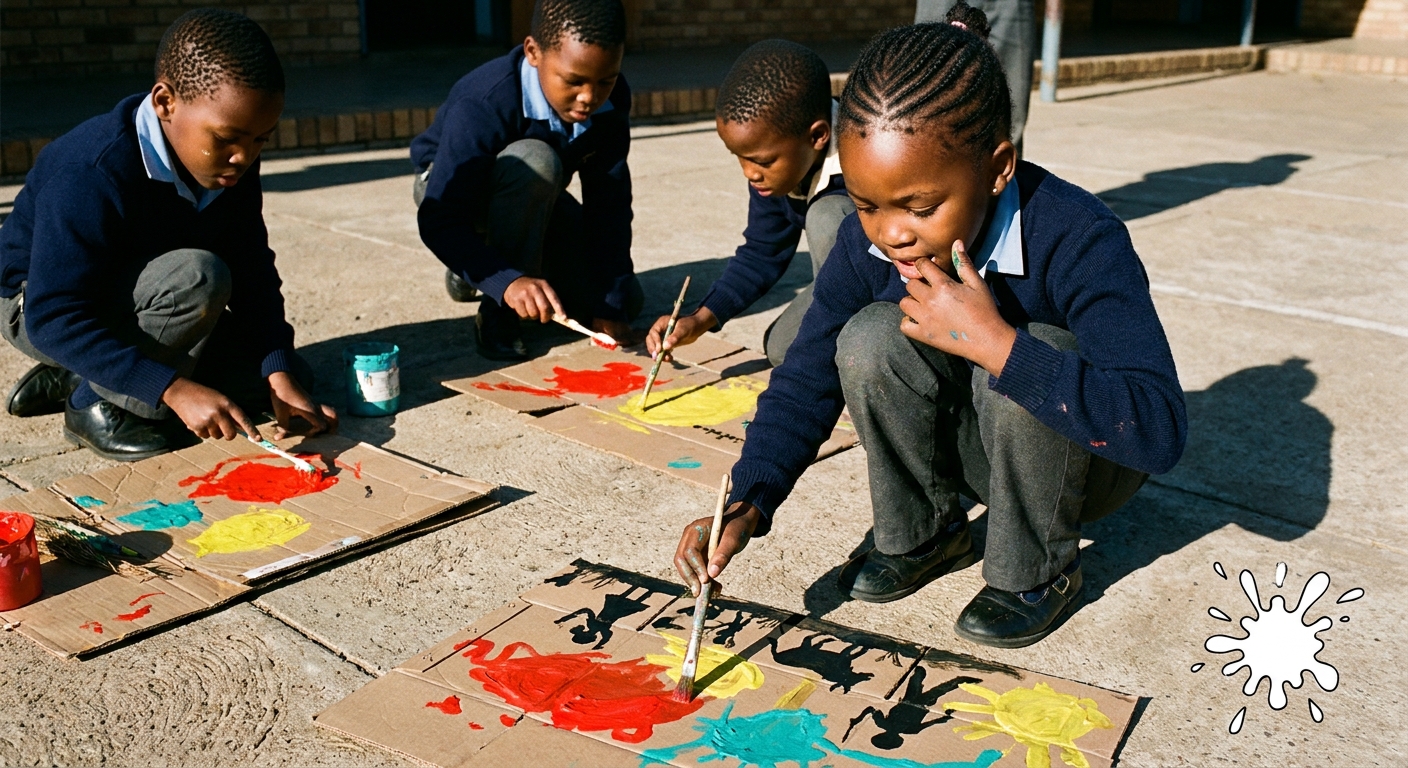
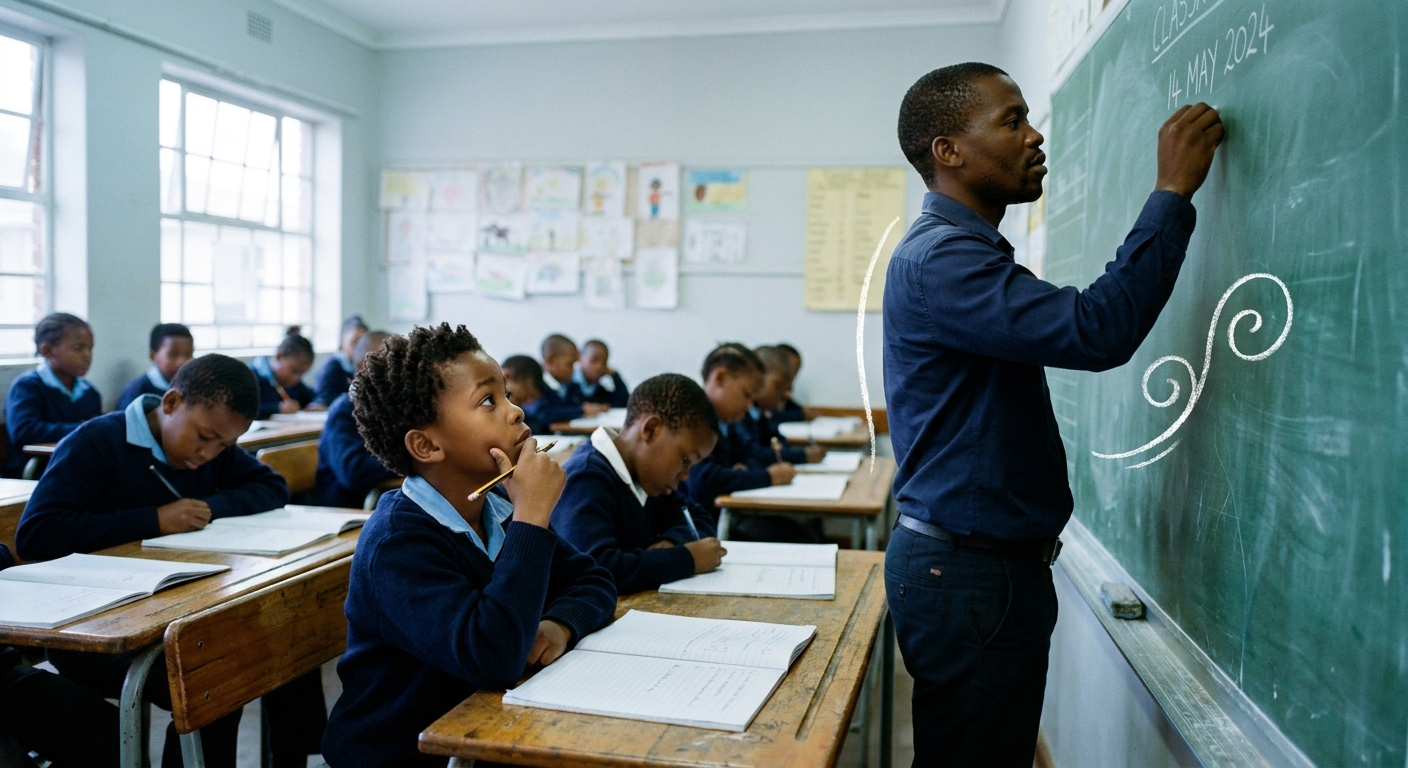
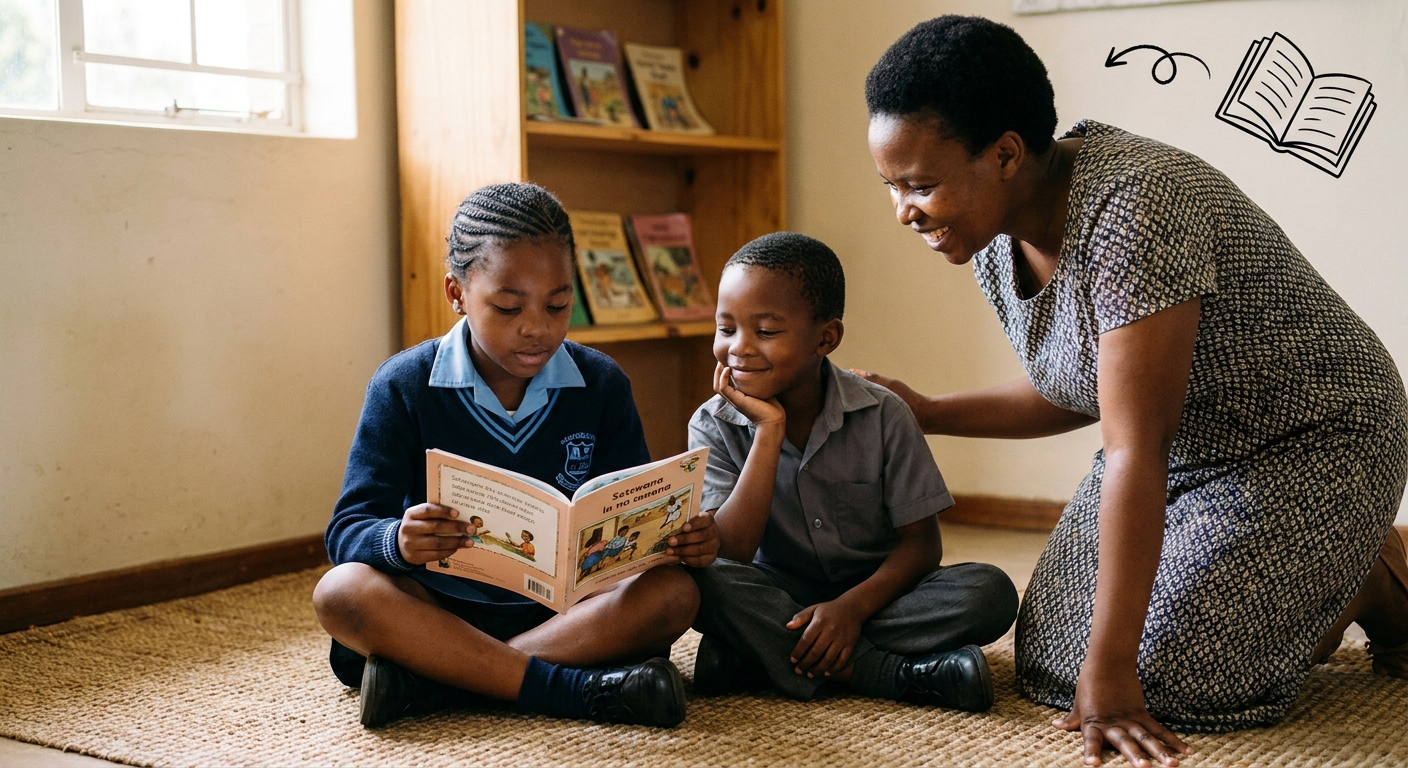
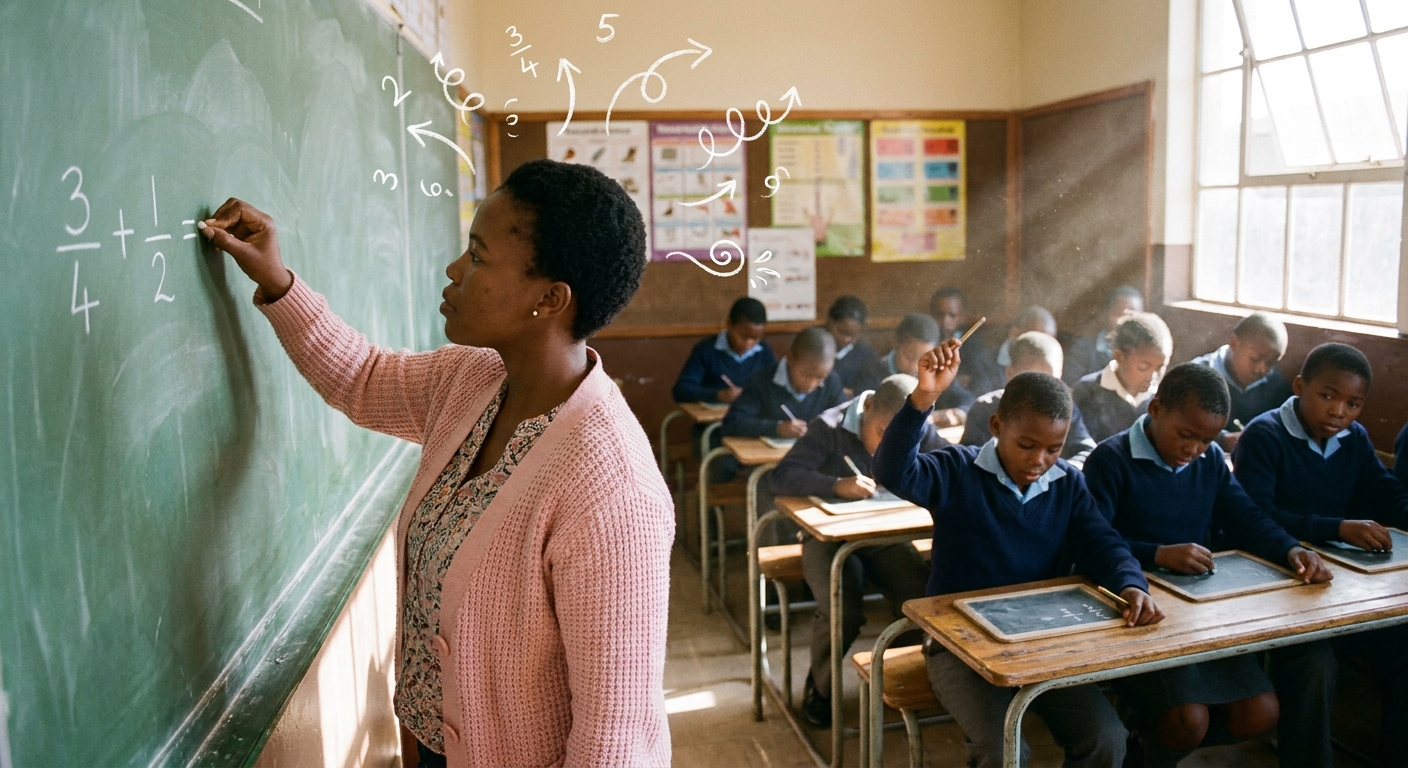
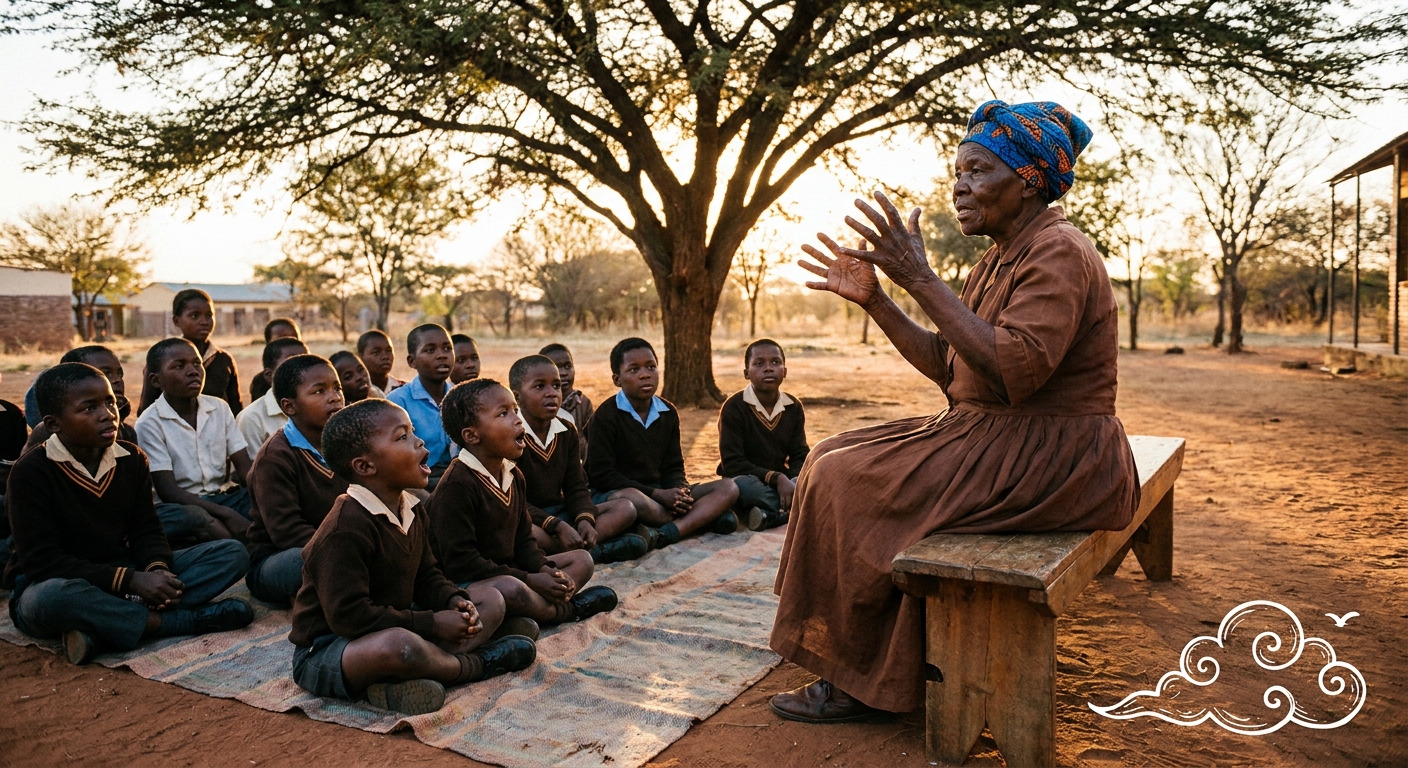
Grade 3 learners reading aloud in pairs Grade 5 learners solving fractions on a chalkboard
Grade R to Grade 6 · CAPS curriculum

Six subjects, taught steadily, every term.

We follow the Department of Basic Education's CAPS framework, with our LOLT (language of learning and teaching) being Setswana in the Foundation Phase and English from Grade 4 onward. We do not chase trends. We try to teach the basics well, and we make space for the things our children love.

2 languages · 8 hours/week

Languages

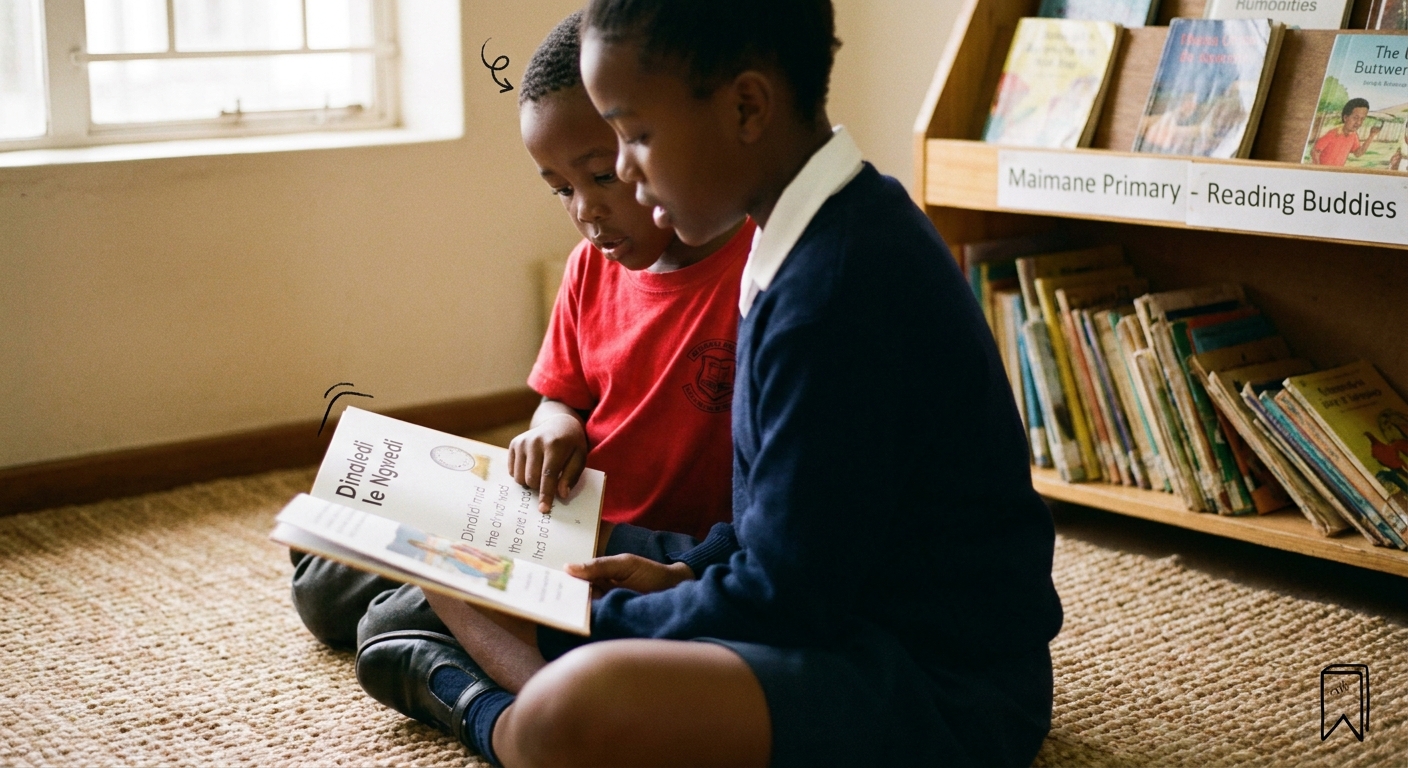
English First Additional Language paired with Setswana Home Language. Reading aloud daily, story-mapping, choral reading, and a parent-take-home book each Friday.

  • Reading buddies across grade groups
  • Setswana folktale recitation each term
  • Termly book report — written and spoken
CAPS-aligned · 6 hours/week

Mathematics

From counting in Grade R to fractions, decimals and basic geometry by Grade 6. We use bottle caps, sticks and number lines before pencils — concrete first, then abstract.

  • Daily mental-maths warm-ups
  • Mathletics drills via shared tablet (Grade 4–6)
  • Continuous classroom-based assessment
Inquiry-based · 4 hours/week

Natural Sciences

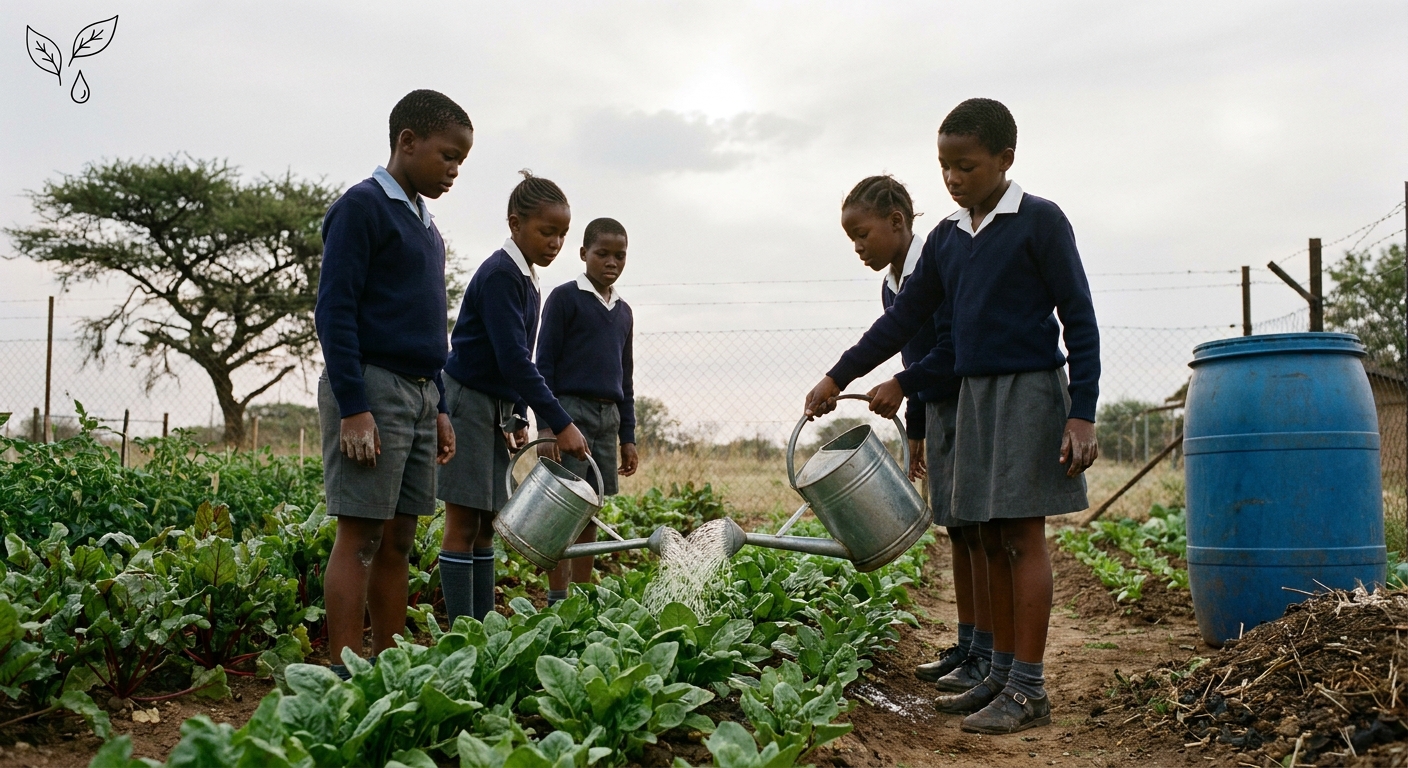
Children ask questions about what they see at home — rain, soil, the borehole pump, the goats. We answer with simple investigations using local materials and the school garden.

  • Termly investigation projects (per CAPS)
  • Veggie-garden as living laboratory
  • Field trip to Pilanesberg every Grade 6 year
History + Geography · 3 hours/week

Social Sciences

Local first, then national, then African. Grade 4 learns the history of our village; Grade 5 maps Bojanala; Grade 6 studies South Africa's democracy and the Constitution we live under.

  • Oral history project with grandparents
  • Hand-drawn maps of Madikwe
  • Constitution Week each March
PSW + PE + Creative Arts · 5 hours/week

Life Skills

Personal & Social Wellbeing, Physical Education, and Creative Arts — taught together in the way they are lived. Children learn to wash hands, to cross the R510, to sing in harmony, and to ask for help.

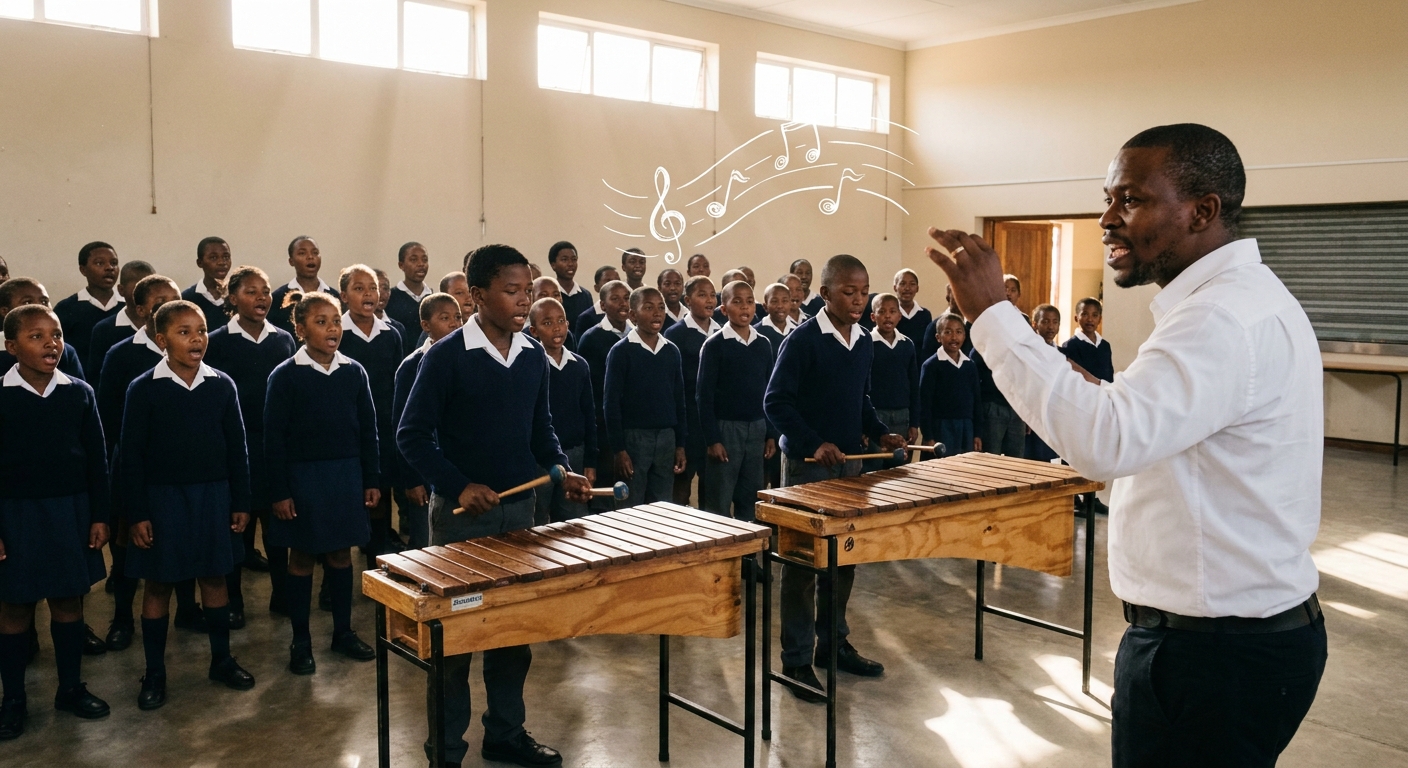
  • Weekly choir and traditional dance
  • Soccer / netball clubs after school
  • Termly health check with the local clinic
Hands-on · 2 hours/week

Technology

From Grade 4 we make things with our hands — paper structures, simple levers, water-saving devices for the garden. Coding happens once a fortnight on shared donated tablets.

  • Annual recycled-materials build challenge
  • ScratchJr basics (Grade 5–6)
  • Garden irrigation design project

From Grade R to Grade 6 — what we hope you can do by the time you leave us

Grade R

Recognise letters and your own name. Count to 20 in Setswana and English.

Grade 1

Read short Setswana sentences. Add and subtract within 20.

Grade 2

Read a short story aloud. Tell time. Write your own three-sentence paragraph.

Grade 3

Read fluently in Setswana. Use written multiplication. Write a one-page story.

Grade 4

Switch LOLT to English. Begin fractions. Run your first investigation.

Grade 5

Read a chapter book. Work with decimals. Map your village on paper.

Grade 6

Write a research report. Use percentages. Speak in front of the whole school.


Enrichment

Six things we make space for, even when budgets are tight.

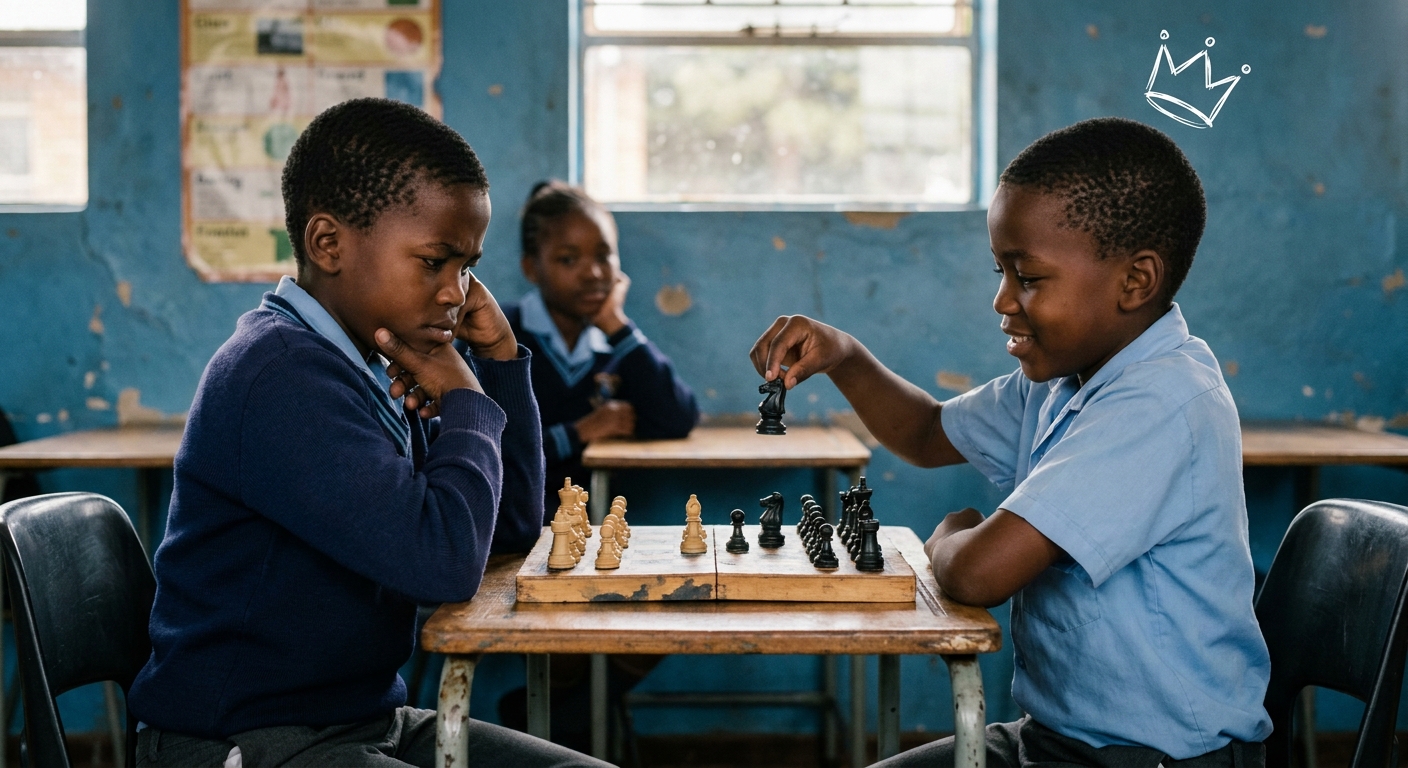
All enrichment is free. Funded by the SGB, parent volunteers, donations of books and instruments, and a stubborn refusal to skip them.


A day in our school

From the gate at 07:50 to dismissal at 16:00.

Designed around hunger, distance, and how children actually learn. Aftercare available till 17:00 for working-parent families.

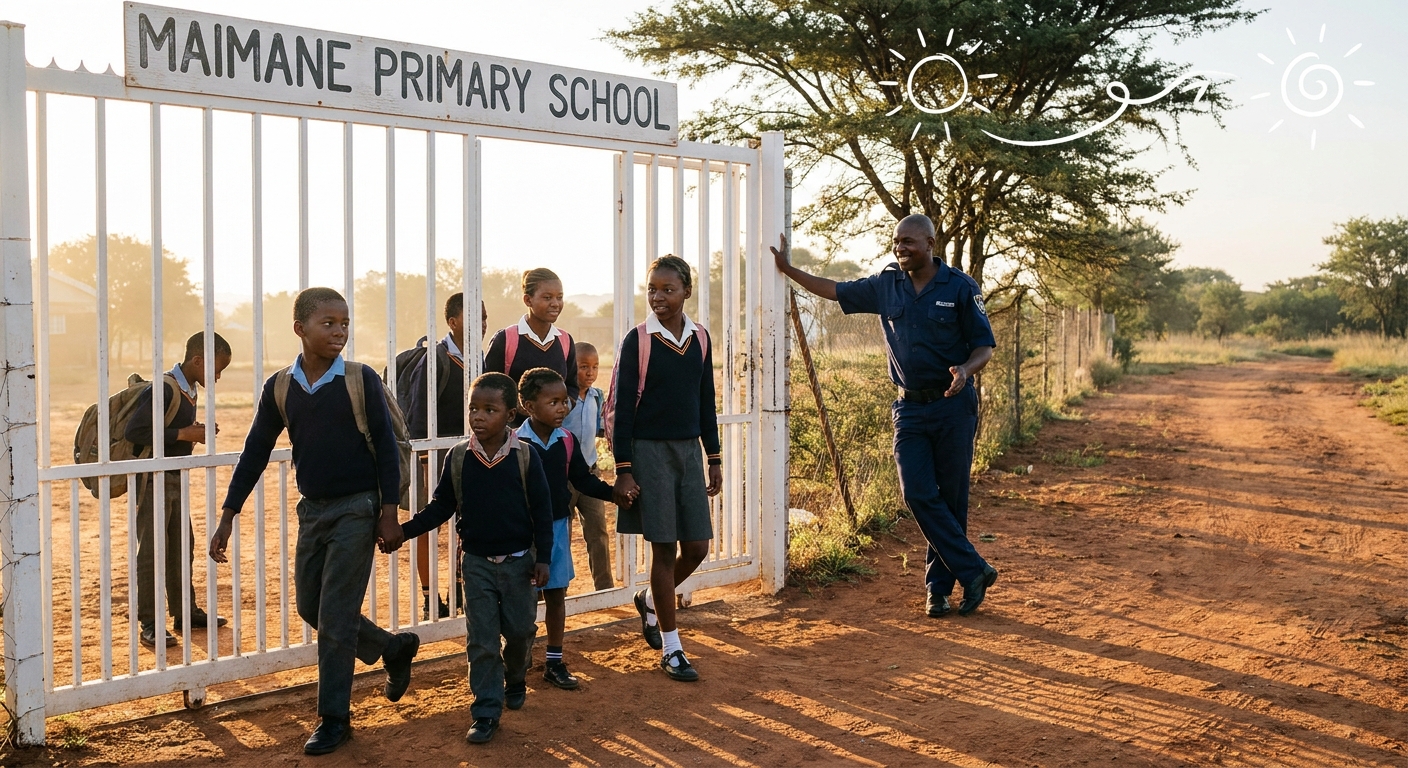
  1. 07:50 Gates open Walking in from the village; greetings at the gate.
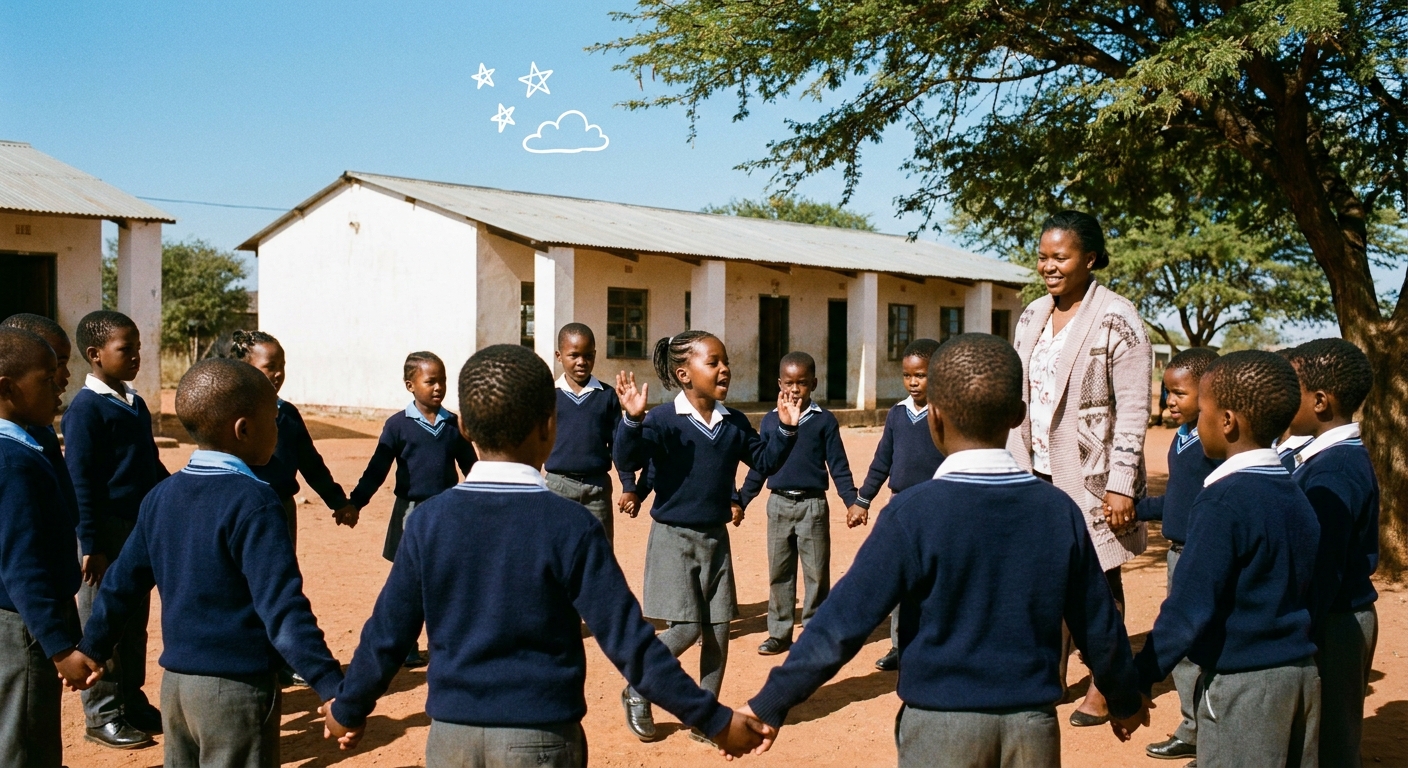
  2. 08:00 Morning circle Setswana song, register, one shared piece of news.
  3. 08:20 Assembly & flag Whole-school anthem, principal's note for the day.
  4. 08:35 Morning lessons Languages first, then Maths — when minds are freshest.
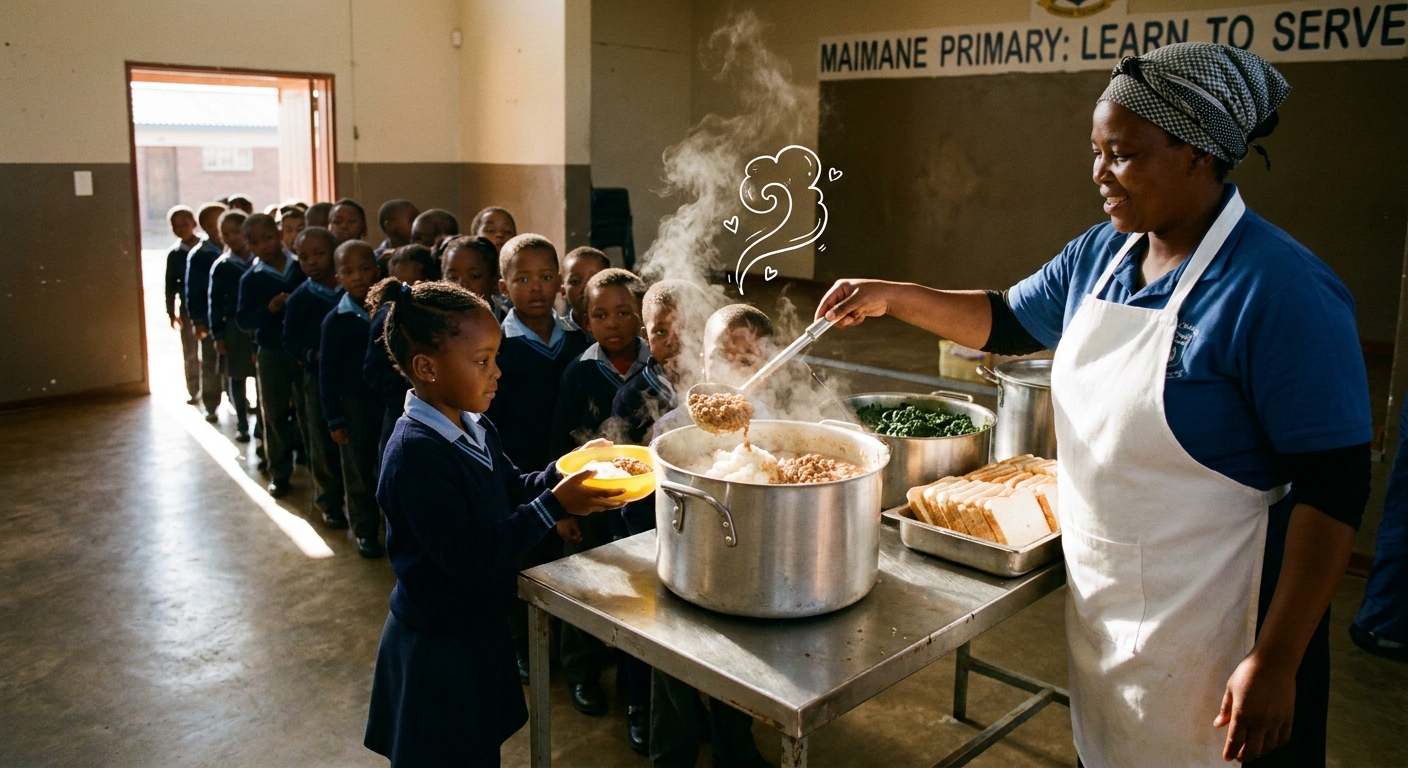
  5. 10:30 NSNP snack Bread, peanut butter, fruit. Twenty minutes outside.
  6. 12:00 Lunch Hot meal cooked by Mma Lerato — pap, soya mince, spinach from our garden.
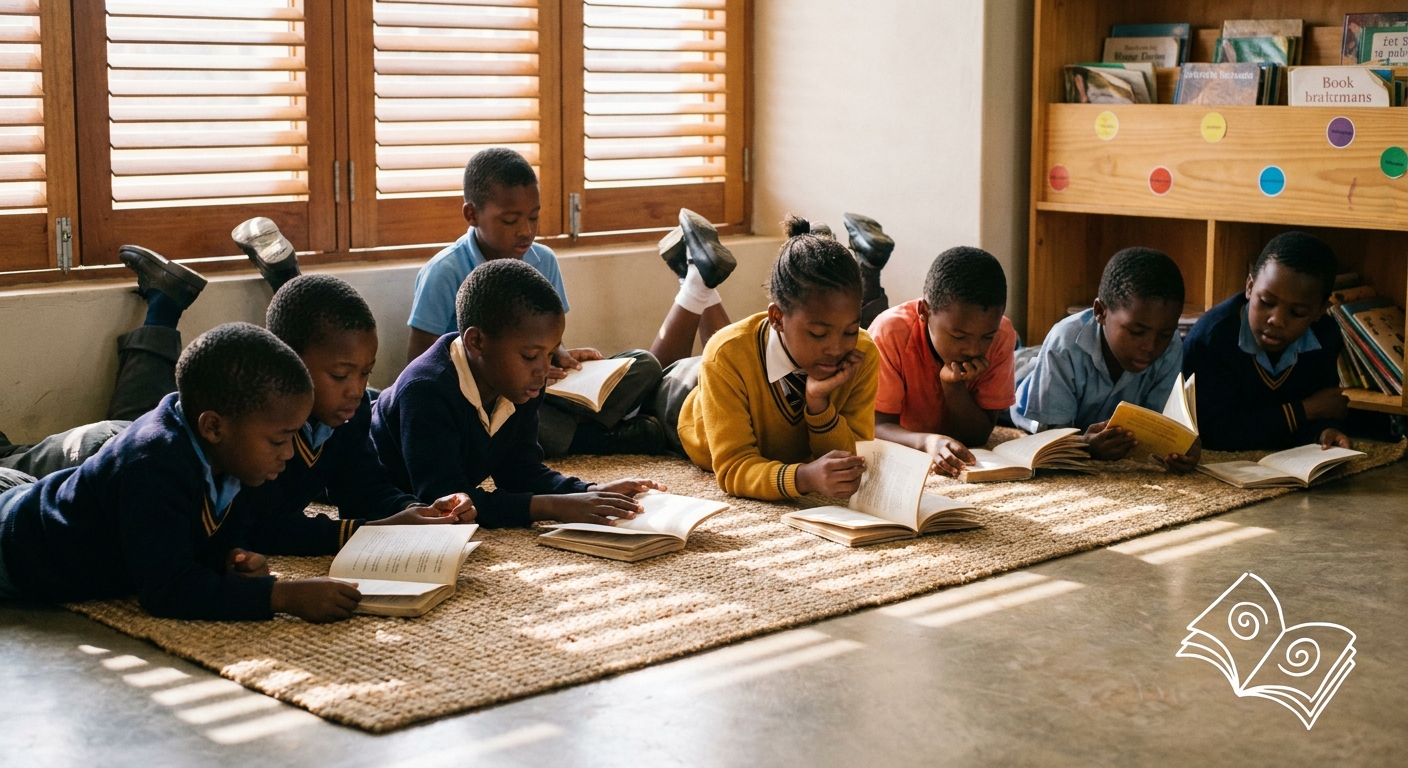
  7. 12:30 Quiet reading Silent reading on the mat. Take-home bags swapped on Fridays.
  8. 13:00 Afternoon lessons Sciences, Social Sciences, Life Skills — the doing subjects.
  9. 14:30 → 16:00 Enrichment & dismissal Choir, garden, chess. Aftercare till 17:00 if needed.
Children walking through the school gate at sunrise Morning circle in the courtyard with raised hands Quiet morning lesson with chalk on the board NSNP lunch being served from a steaming pot Children lying on the reading mat with library books